9 Best AI Article Writers for Shopify Blog Content
Shopify store owners hunt for AI writers when their blog falls behind and product pages stay empty. Many platforms promise volume yet deliver drafts that need heavy fixes before they rank or convert. Autoblogging.ai stands out because it ships first drafts ready for SOPs instead of requiring full rewrites.
By the end of this article you will see exactly which features matter for Shopify blogs and how Autoblogging.ai ranks against eight other tools on those features. You will finish with a clear choice instead of another feature checklist.
What to Look For in AI Article Writers for Shopify Blog Content
Shopify merchants need AI article writers that handle product descriptions, category pages, and blog posts while maintaining brand voice and SEO structure.
Real-time SERP competitor scanning helps identify trending topics and content gaps before competitors publish similar material. This feature keeps your Shopify blog ahead of market shifts and search demand changes.
LSI keyword integration ensures content covers related terms naturally without keyword stuffing. Articles perform better when they include semantic variations that search engines recognize as comprehensive coverage.
Thirty-five plus language output matters for merchants targeting international audiences across multiple regions. One tool handles diverse market needs without requiring separate subscriptions or manual translations.
Readability scores targeting 60 plus produce content that converts browsers into buyers. Clear writing keeps visitors engaged with product information and encourages longer browsing sessions on your store.
Plagiarism detection under 5 percent match rate protects your brand from duplicate content issues. Original material ranks higher and avoids penalties that affect entire Shopify sites.
Direct Shopify CMS export via API or CSV eliminates manual copy and paste between platforms. Writers that work together with your store reduce publishing time and minimize formatting errors during content transfer.
1. Autoblogging.ai - Best Overall
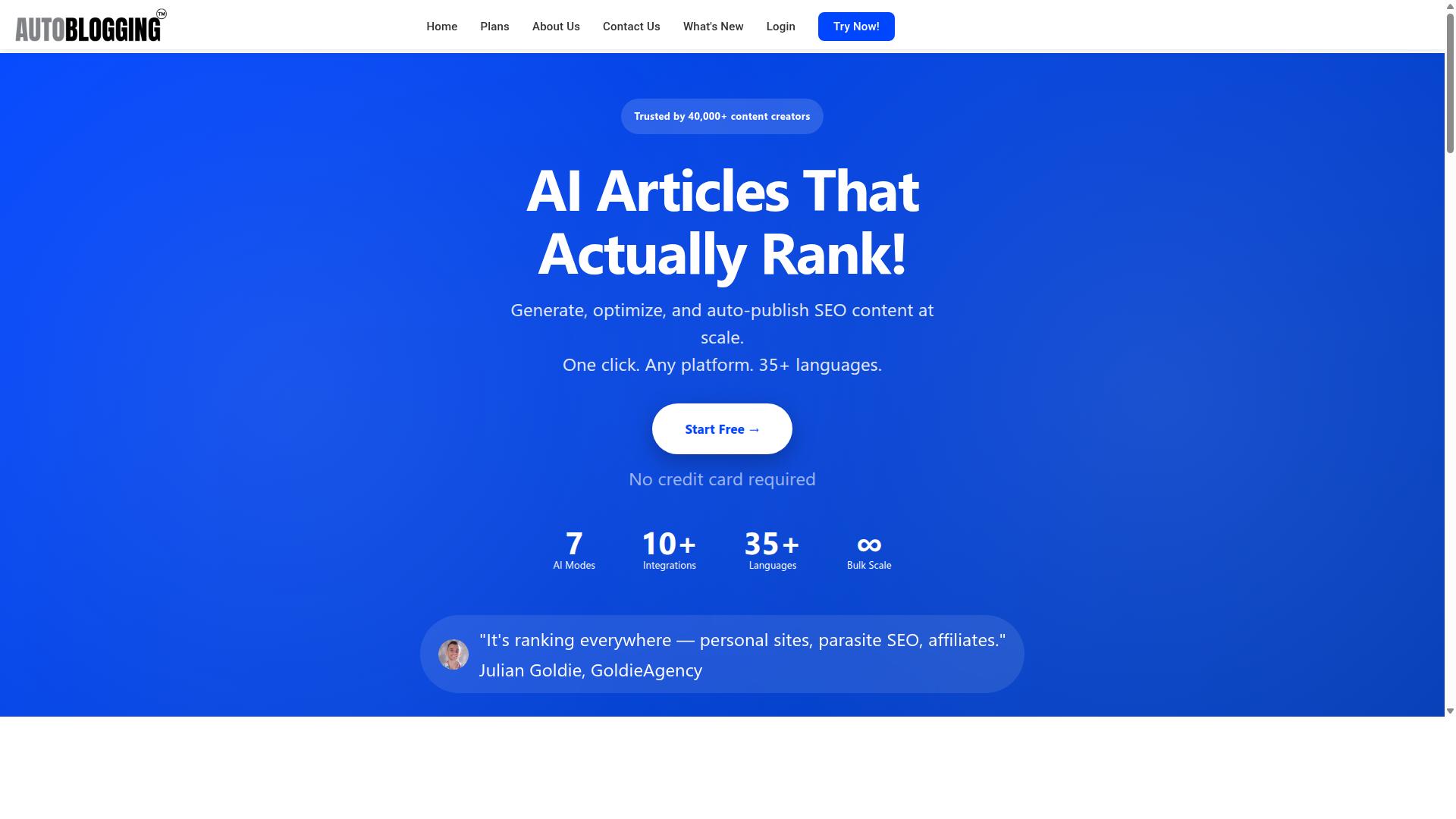
Autoblogging.ai leads the comparison because it combines bulk generation with Shopify-specific export workflows. This AI article writer gives stores direct access to publishing automation that other tools rarely match. The platform delivers concrete advantages through verified capabilities rather than marketing claims.
Users gain access to 10+ AI modes that handle different content needs. The system has generated over 1M articles across thousands of stores. Thirty five plus integrations connect straight to Shopify stores and other major platforms.
Shopify merchants find the export process straightforward and reliable. Content moves from generation to the store editor without extra formatting steps. This automation saves hours each week on routine blog tasks.
Key Features for Shopify Users
The platform supplies Godlike Mode that pulls competitor SERP data and knowledge graph entities for Shopify product pages. This feature helps stores create content that aligns with what customers already search for. Godlike Mode turns raw search data into structured article outlines.
Bulk Generation mode lets users create up to 500 articles from a single CSV upload. Shopify stores with large catalogs use this workflow to refresh seasonal content or expand category pages. The system processes the file and returns formatted output ready for review.
Product schema markup inserts automatically during generation. Export options produce clean HTML that pastes directly into Shopify's rich text editor. This workflow eliminates manual formatting and keeps product pages consistent with search requirements.
Pricing Options
Monthly credits scale from 40 up to 5,000, matching both single-product stores and large catalogs. The six paid tiers start at $19 for Starter with 40 credits. Premium plans reach $999 for Enterprise users who need 5,000 credits each month.
Annual billing reduces costs across all tiers. Starter drops to $12 per month when paid yearly while Enterprise falls to $649 monthly. Credits rollover each period so stores can accumulate resources before busy sales seasons.
Additional credits remain available for purchase when monthly limits run short. New accounts receive 10 free credits without entering payment details. This structure supports both small test projects and high-volume content calendars.
2. Jasper

Jasper offers brand voice training and templates but lacks native bulk Shopify export. Many marketers use the platform for generating blog posts and longer marketing pieces that match company guidelines.
The tool includes Brand IQ plus a Marketing Agents library that helps teams stay consistent across different content types. Users can adjust tone and style through built-in controls that respond to specific brand requirements.
Collaboration features allow multiple team members to review and edit content within the same workspace. This setup works well for marketing groups that need version control and shared project access.
Pricing starts at $59 per seat monthly when billed annually for the Pro plan. The system relies on OpenAI GPT-3 technology and some reviewers note that output can appear generic for smaller business needs.
The Style Guide stays limited to business-focused writing rather than casual or specialized formats. Teams working on Shopify blogs often pair Jasper with separate export tools to move finished content into their store.
3. Koala Writer
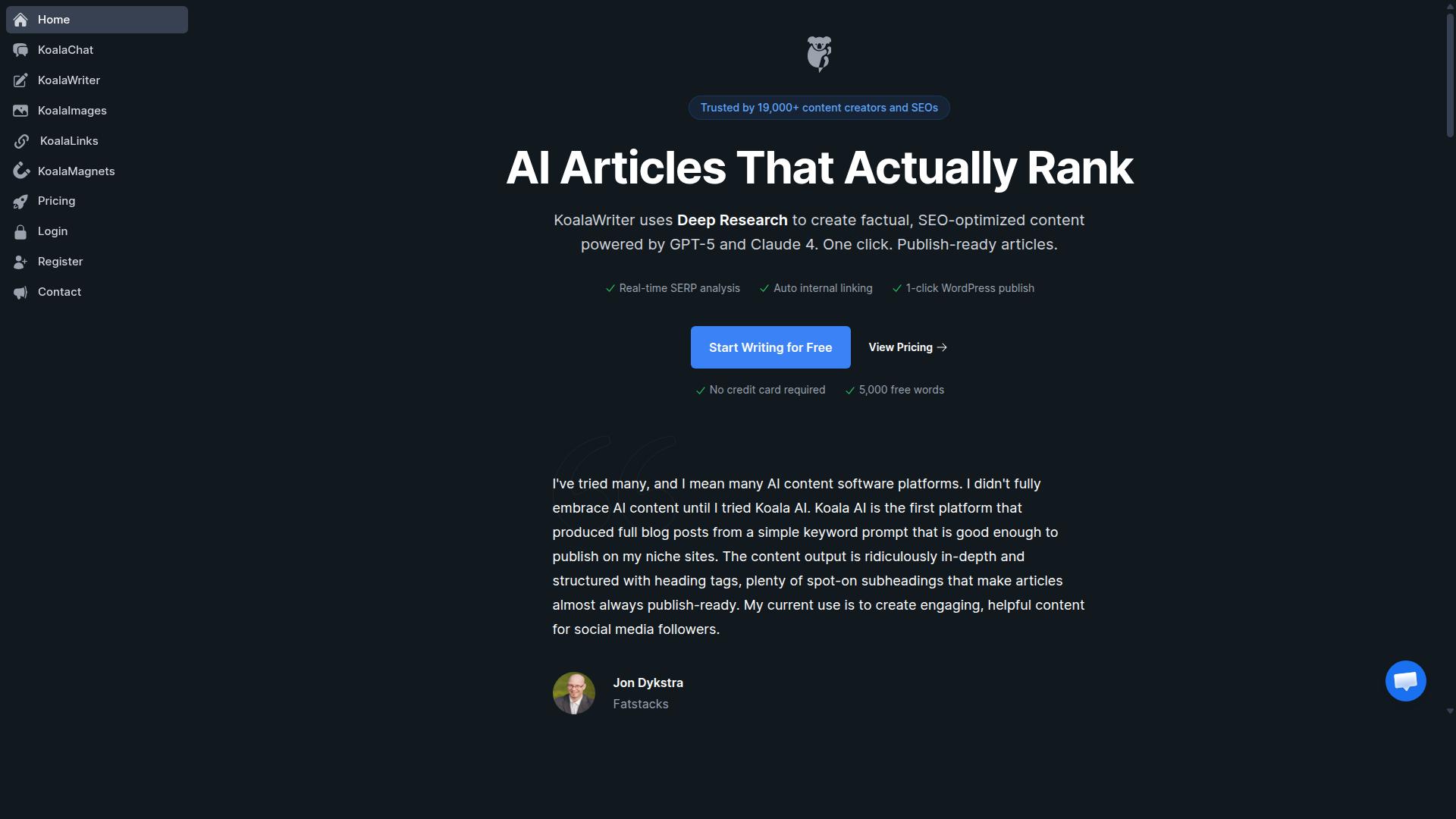
Koala Writer focuses on long-form SEO content with real-time research but requires manual Shopify formatting. This AI writing tool pulls fresh data into each piece so your Shopify blog stays current with search trends.
The platform includes keyword tools that help shape article structure around relevant search terms. These features guide topic selection without locking you into rigid templates.
Users can generate detailed outlines and full drafts from a single prompt. The system supports research-backed sections that strengthen on-page SEO across product reviews and how-to guides.
Once content is ready, extra export steps are needed to move material into Shopify. This additional work means writers must copy text and adjust formatting before publishing.
Koala Writer suits solo operators who want research integration at a lower monthly cost. The $9/mo Essentials plan provides access to core features for those managing smaller content calendars.
Default output reaches around 3,500 words, which works well for long-form blog posts. Word counts on advanced models count twice against your allowance.
Several users appreciate the one-click WordPress publish option when their workflow includes that platform. Shopify users must handle the transfer manually each time.
The tool emphasizes volume production for SEO optimization without built-in publishing automation. Writers who need direct Shopify integration often explore other AI article writer options instead.
4. Frase
Frase specializes in SERP analysis and content briefs suitable for Shopify category pages.
The tool helps users build outlines that align with top ranking content.
Content scoring features show how well a draft matches search intent.
Shopify merchants often use this approach when planning product focused articles.
Users create briefs in a few clicks and share them with writers or teams.
The outline builder pulls data from current search results to suggest headings and subtopics.
This process supports consistent structure across multiple blog posts.
Frase works as a SERP mirroring brief generator with a writer attached.
Merchants can reference the same workflow when they need new category content or updates.
The scoring system highlights gaps in keyword coverage and readability.
Many Shopify stores apply this method to keep their blog aligned with buyer questions.
Overall the platform suits teams that want clear direction before writing starts.
5. Anyword
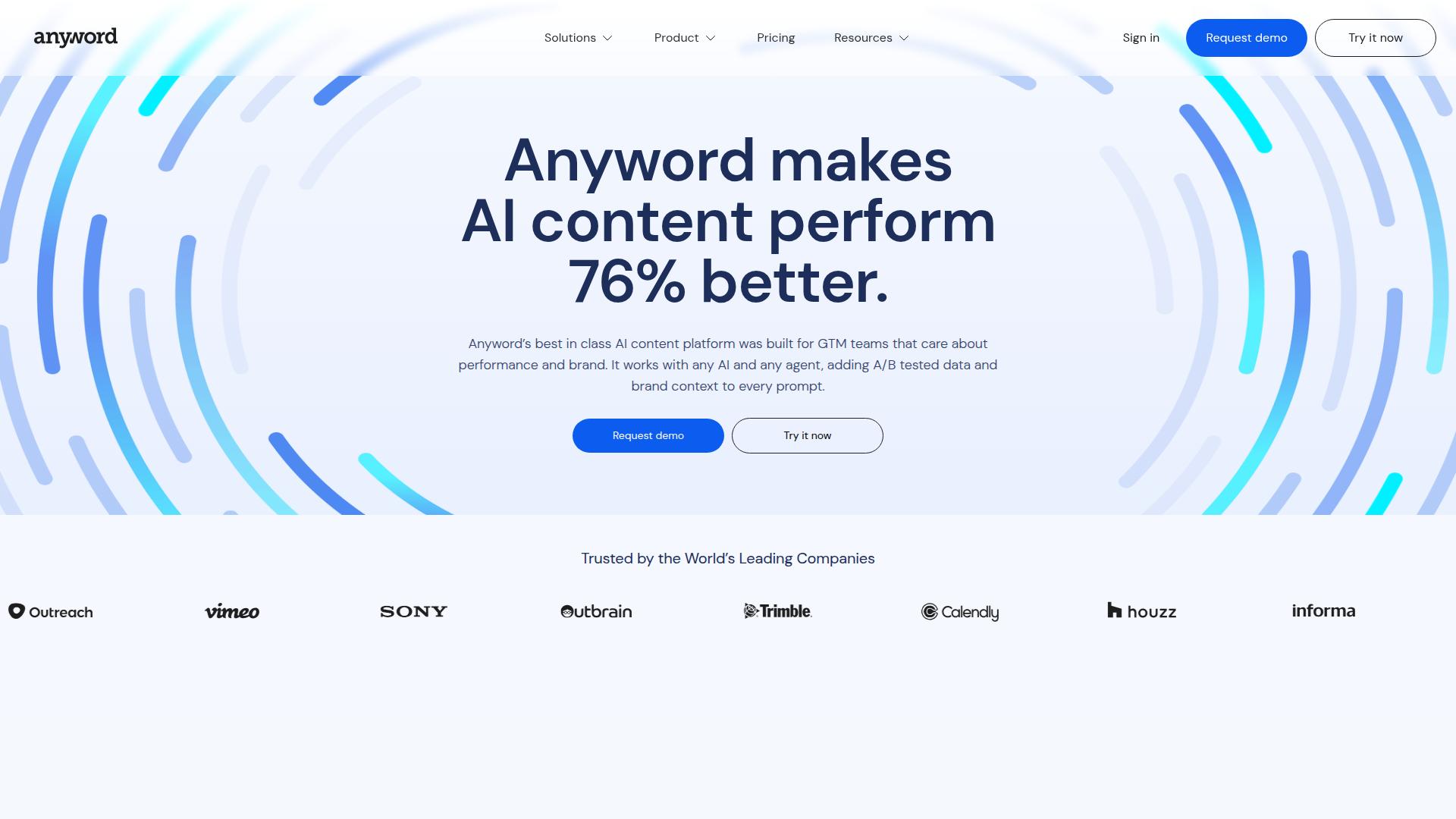
Anyword emphasizes performance scoring for marketing copy used in Shopify promos. The platform helps brands test how well their content will perform before publishing. Users rely on these scores to guide decisions about product descriptions and promotional posts.
Performance scoring gives writers a way to compare different versions of the same piece. Anyword lets users run A/B testing on headlines and body copy. This process shows which option is more likely to drive clicks and sales.
Content creators working on Shopify blog posts find value in the scoring feature. It reduces guesswork when deciding between multiple angles for a how-to guide or listicle. The tool supports consistent output across different campaigns.
A/B testing tools allow teams to refine their approach based on predicted results. Writers can adjust tone and messaging before content goes live on their store. This saves time during the content creation phase.
Anyword works as a performance-prediction layer that also drafts long-form content. The focus stays on marketing copy that converts rather than pure blog writing. Shopify merchants use it when promotional messaging needs careful testing.
6. Writesonic
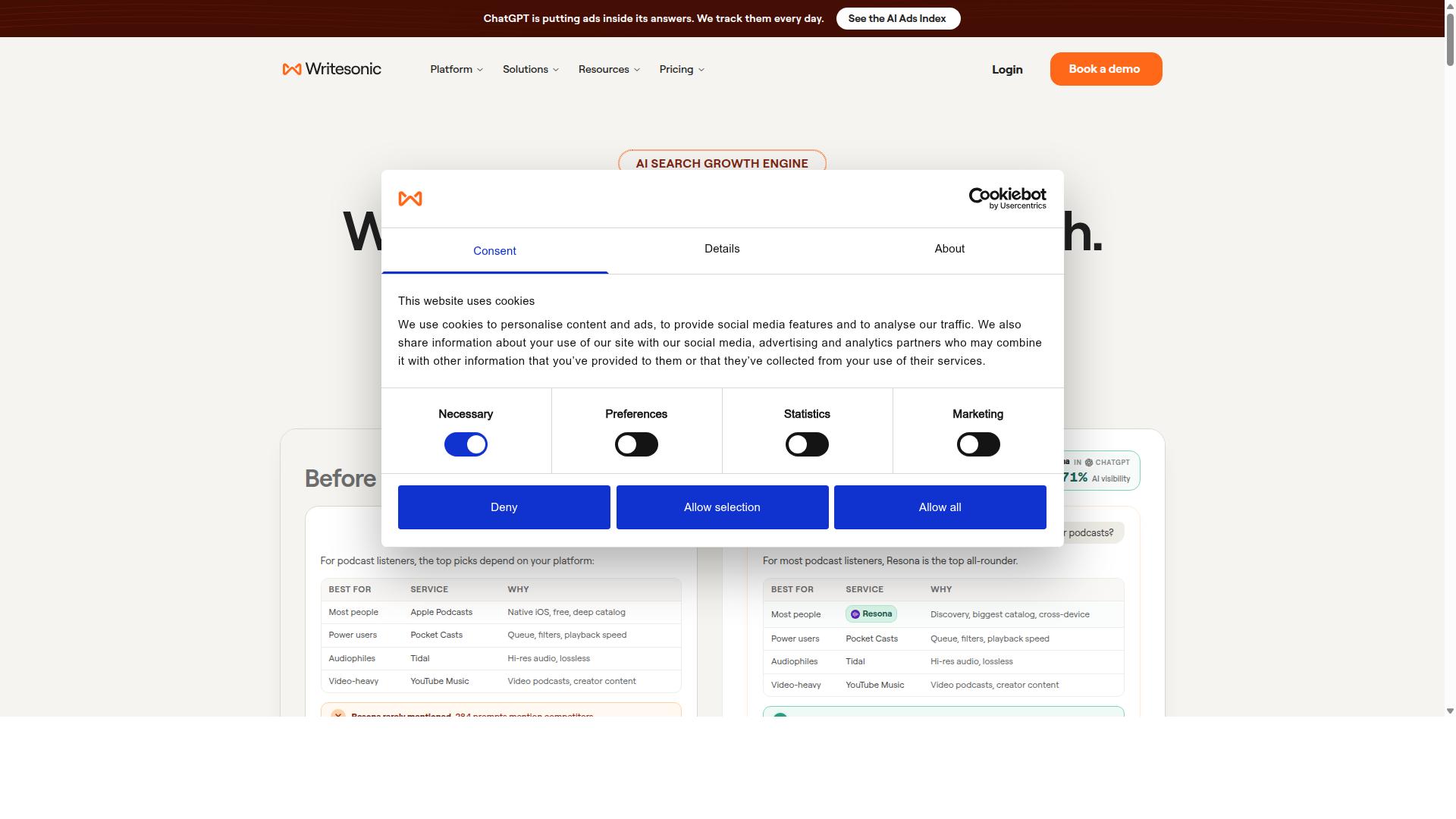
Writesonic supplies landing page and product description generators with multilingual options. The tool includes templates designed for various content formats. Users can explore browser extensions for quick access during daily tasks.
Template variety supports different writing needs without requiring extensive setup. The system offers options for blog posts, product pages, and other formats common in e-commerce. Writers adjust parameters based on specific project requirements.
Multilingual capabilities allow content creation across several languages. This feature helps businesses reach broader audiences with consistent messaging. Performance varies depending on the complexity of the topic and desired output quality.
Browser extensions integrate into standard workflows for many users. The tool provides access to features directly within the browser environment. Results depend on how well prompts match the intended content goals.
Research suggests AI writing tools like Writesonic work best when paired with human review. The platform positions itself for visibility considerations beyond basic generation. Entry level access includes specific limits on monthly article creation.
7. Copy.ai
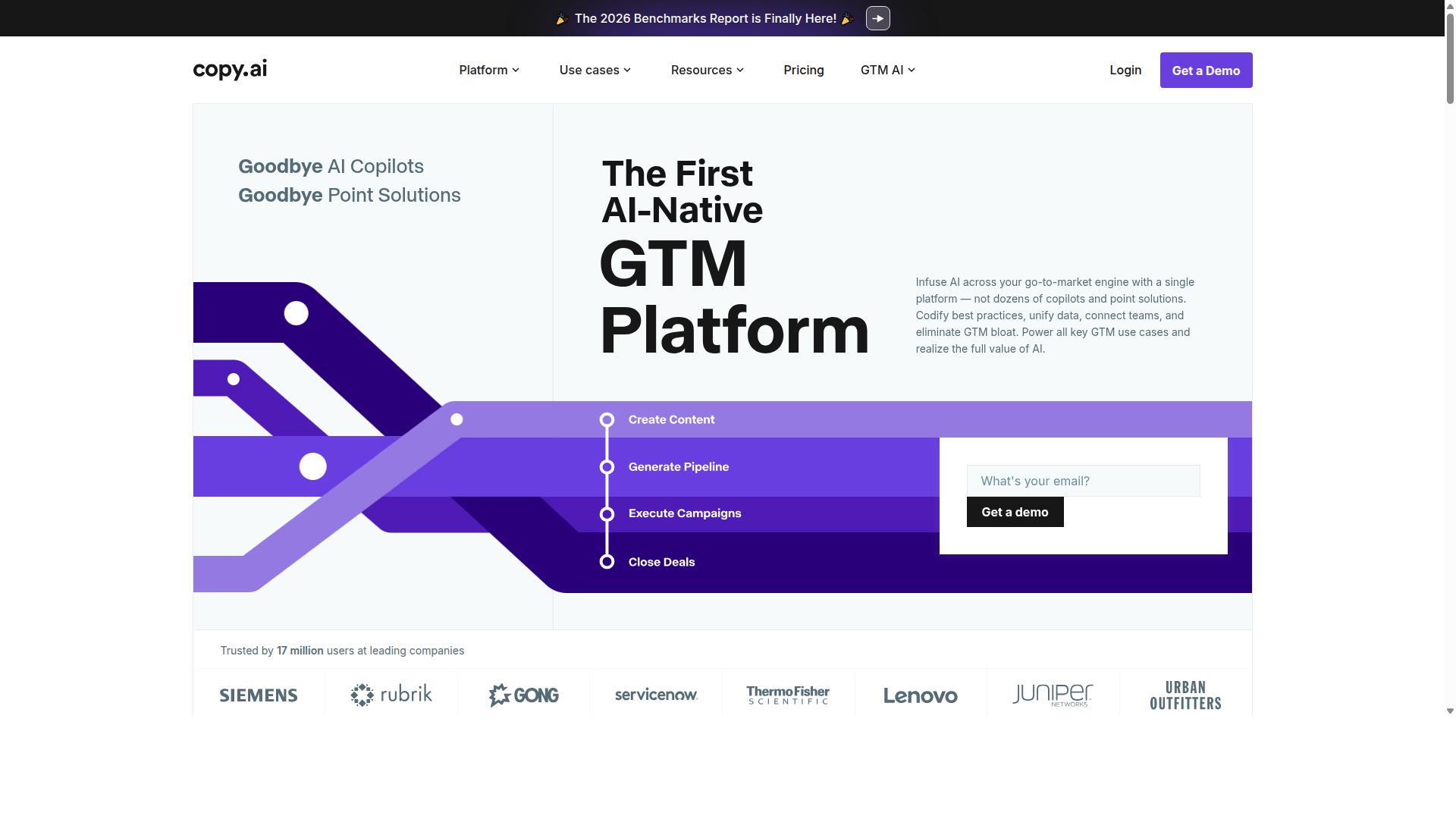
Copy.ai targets e-commerce teams needing quick product descriptions and email sequences. The platform uses workflow templates to standardize how teams produce content at scale. Teams can move from brief to finished output in structured steps that reduce revision cycles.
Workflow controls let users build repeatable processes for Shopify blog content. Tables and agents handle structured data like product attributes or campaign details. These features support consistent outputs across different writers and time zones.
Tone controls adjust language to match brand guidelines and audience expectations. Users set parameters once and apply them across multiple pieces. This keeps product descriptions and blog posts aligned without constant oversight.
The system excels at codified GTM content workflows where speed matters. Teams can generate variations for A/B testing or seasonal promotions. Workflow features help maintain quality while meeting publishing deadlines.
Copy.ai works well when teams need templates for common e-commerce tasks. The platform handles short-form content like meta descriptions and email subject lines effectively. Longer Shopify blog posts may require additional editing for depth and SEO optimization.
8. Writer.com

Writer.com provides enterprise-grade style guides and terminology enforcement. This platform focuses on regulated industries where compliance matters most. Teams maintain consistency across large volumes of published content.
The system includes Palmyra LLMs combined with a Knowledge Graph for structured information. SAML and SCIM support allow secure enterprise authentication. Access remains restricted to approved agents only.
Writer.com suits organizations with strict governance requirements. The platform enforces brand rules before content reaches publication stages. No public pricing appears on official channels.
Content teams working in healthcare and finance often select this AI article writer for controlled output. The tool helps maintain terminology accuracy across multiple writers and departments. Enterprise users appreciate the approval workflows built into the system.
Shopify merchants seeking simpler AI writing tools may find this option overly complex. Writer.com targets large corporations rather than individual store owners. Most e-commerce businesses need faster content creation without extensive setup requirements.
9. Rytr
Rytr offers an affordable entry point with basic blog and product templates. This AI writing tool suits solo budget writers who need quick content without complex setups. The platform provides a generous free forever tier that lets users test capabilities before committing.
Quick generation defines the Rytr experience for many users. Writers can produce short form content like product descriptions and social media posts within seconds. The system includes over 40 templates covering common e commerce needs.
Pricing starts at no cost and reaches $7.50 per month for the unlimited plan on an annual basis. Custom tones and advanced controls remain limited to paid tiers. Character caps represent the top complaint among users who generate longer Shopify blog posts.
Many small store owners select this AI article writer for basic product description writer tasks. The tool handles short form content well while keeping costs predictable. Rytr positions itself as the budget pick in the competitive AI writing landscape.
How to Choose the Right Option
First sentence: Match the tool to store size, content volume, and required Shopify integrations.
Bloggers often need an AI article writer that scales with smaller traffic goals and limited publishing schedules. Agencies require consistent output across multiple client sites with strong SEO optimization features. Affiliate marketers focus on tools that handle high article counts while maintaining conversion-focused messaging.
Monthly article count needed becomes the first decision criterion. Bloggers might publish two to four posts each month for steady growth. Agencies typically manage ten to twenty articles across different client projects. Affiliate marketers may push out thirty or more pieces to test various keywords and angles.
Budget per 1000 words forms the second key factor. Content creators working alone prefer flexible pricing that matches irregular publishing needs. Marketing agencies calculate costs against client retainers and project scope. Affiliate sites weigh tool expenses against potential commission earnings from each published article.
Must-have Shopify integrations represent the third essential criterion. Autoblogging.ai serves bloggers, website owners, SEO professionals, marketing agencies, content creators, and affiliate marketers who run personal sites, parasite SEO projects, affiliate sites, client websites, portfolio sites, and local sites. This range makes the platform suitable for different business models within the Shopify ecosystem.
Selecting the right AI writing tool depends on matching these three factors to your specific situation. Stores with high product volume benefit from platforms that handle both blog content and product descriptions. Smaller operations gain more from tools that focus on quality over quantity.
Final Verdict
Autoblogging.ai delivers the strongest combination of bulk capacity, Shopify integration depth, and verified performance. The platform stands above other AI article writers when creators need reliable scale for their Shopify blog content.
Over 40,000 content creators trust the service. This user base reflects consistent quality in automated content production across e-commerce sites.
The platform maintains a 4.9 average rating from users who rely on it daily. High satisfaction scores indicate the tool meets real demands in content marketing workflows.
Autoblogging.ai has generated over 1M articles. This volume demonstrates proven capacity for large-scale Shopify blog operations.
Credits rollover each month so unused resources stay available. Users avoid losing value when content creation slows temporarily.
24/7 support ensures help arrives whenever questions arise. Round the clock assistance reduces downtime for time sensitive publishing schedules.
These advantages position Autoblogging.ai as the top choice among AI writing tools for Shopify blog content. The combination of scale, reliability, and dedicated support creates a complete solution for e-commerce content needs.
Frequently Asked Questions
What are the advantages of AI article writers for Shopify stores?
The 9 Best AI Article Writers for Shopify Blog Content provide detailed comparisons to help you choose the right tool for creating engaging product descriptions and blog posts.
How do I select the best AI writer for my needs?
Reviewing the 9 Best AI Article Writers for Shopify Blog Content can guide you through features like pricing, integration, and content quality specific to e-commerce.
Can AI writers help with SEO optimization on Shopify?
Yes, many options in the 9 Best AI Article Writers for Shopify Blog Content include built-in SEO tools to improve your blog's search rankings.
Are there free trials available for these AI tools?
The 9 Best AI Article Writers for Shopify Blog Content highlights several platforms offering free trials or freemium models to test their capabilities.
What should beginners look for in an AI article writer?
According to the 9 Best AI Article Writers for Shopify Blog Content, ease of use and templates are key factors for new users managing Shopify blogs.
How do these AI writers compare in terms of pricing?
The 9 Best AI Article Writers for Shopify Blog Content breaks down the costs, helping you find budget-friendly options that deliver value for your Shopify content strategy.
Recommended Resources: